Wondering why one Siesta Key second-home purchase feels effortless while another turns into a series of expensive surprises? On an island market like Siesta Key, the details that seem small at first can shape your costs, your lifestyle, and how you use the property long after closing. If you are thinking about buying a second home here, it helps to know what many buyers overlook before they fall in love with a view. Let’s dive in.
Siesta Key Is Not One Market
Siesta Key may sound like a single destination, but it functions more like several distinct areas with very different day-to-day experiences. Visit Sarasota County commonly describes the island as Siesta Beach, Crescent Beach, Turtle Beach, and Siesta Key Village, and newer coverage also distinguishes the north end around the Village from the quieter southern stretches.
That matters when you are buying a second home because your routine may look very different depending on the address. A property near the Village may offer easier access to walkable dining and activity, while a home farther south may feel more removed and quieter. The right fit depends on how you plan to use the home, not just how the listing looks online.
Lifestyle Depends on Exact Location
For many second-home buyers, the biggest goal is simple: easy, enjoyable time on the island. That is why it helps to think beyond square footage and finishes. You want to picture what a typical day will feel like when you are here for a week, a month, or an entire season.
Ask yourself whether you want to be close to Siesta Key Village, near the main beach areas, or in the southern part of the island near Turtle Beach. On the same island, those choices can change your pace, access, and even how often you use the home throughout the year.
North End vs. South End
The north end, where the Village is the walkable social core, tends to appeal to buyers who want nearby restaurants, shops, and activity. Southern stretches of the island are commonly described as quieter, which can suit buyers who value a more relaxed setting.
Neither is better in a universal sense. What matters is whether the location matches your second-home goals, your mobility needs, and how often you expect to host family or friends.
Beach Access Is More Practical Than Buyers Expect
On Siesta Key, beach access is not just a nice feature. It can be a daily-use issue that affects convenience, guest experience, and resale appeal.
Sarasota County says the beach hours are 6 a.m. to 10 p.m., the main Siesta Beach lot has free parking, and overnight parking is not allowed in county beach lots. The county also notes that accesses 3, 3B, 10, 11, and 13 are pedestrian-only and provide no parking.
That means a home advertised as having nearby beach access may still function very differently depending on the type of access nearby. If you expect to carry beach gear, accommodate guests, or rely on easier drop-off and pickup, these details are worth verifying early.
The Free Trolley Can Help
Sarasota County’s free 77 Siesta Islander trolley links downtown Sarasota, Siesta Key Village, Siesta Beach, South Village, and Turtle Beach Park & Campground. The county says it runs daily from 8 a.m. to 10 p.m.
For some second-home buyers, that service can reduce the need to drive to popular spots. For others, especially those focused on walkability or guest convenience, being near a useful trolley connection can make a real difference in how the property lives.
Condo and HOA Rules Deserve a Close Read
Many Siesta Key second-home buyers focus heavily on the unit, the view, and the monthly dues. Just as important are the association documents and what they say about maintenance, use, and long-term costs.
Current Florida condo law requires disclosure of key documents, including the declaration, articles of incorporation, bylaws and rules, the most recent annual financial statement and annual budget, and other required disclosure materials where applicable. State law also makes clear that common expenses are tied to the operation, maintenance, repair, replacement, or protection of common elements and association property.
In plain English, condo dues often support much more than landscaping or amenities. They may also be tied to shared building upkeep and future building needs, which is why the budget and reserve picture matter.
What to Review Before You Buy
Florida’s condominium buyer guide recommends asking about:
- Who maintains what
- Whether the association has reserve funds
- Whether there is adequate insurance
- Any history of complaints or litigation
- Pet rules
- Rental restrictions
- Occupancy limits
For homeowners associations, Florida law also says members and associations must comply with the governing statutes, the community documents, and the association rules. That means your intended use of the property should line up with all applicable documents, not just the listing description.
Rental Plans Need Two Separate Checks
A common second-home assumption is that if a property looks rentable, it probably is. On Siesta Key, that can be a costly mistake.
Sarasota County’s rental guide adds a zoning layer that buyers need to understand. On the barrier islands, leases may be shorter than 30 days in some RMF areas, while other RMF districts require at least 30 days. The county also states that bed-and-breakfast use is prohibited in the Siesta Key Overlay District.
At the same time, association documents may set separate rental restrictions, occupancy limits, or approval requirements. So even if zoning allows a certain use, the condo or HOA rules may not. Buyers should verify both layers before making plans for seasonal income or guest use.
Why This Matters for Second Homes
You may not plan to rent the property right away. Still, future flexibility can affect both your enjoyment and your resale options.
If you think you may want rental income, extended guest use, or a part-time investment component later, it is wise to confirm what is allowed now. That way, you are buying with full clarity instead of assumptions.
Property Taxes Can Be Higher Than Expected
Many second-home buyers budget for purchase price, insurance, and dues, but underestimate taxes. On Siesta Key, that can lead to surprises after closing.
Sarasota County property appraiser records are reassessed every year. The county also says homestead exemption requires a Florida permanent residence, so second homes generally do not qualify.
That means your tax structure may look different from that of a primary residence owner. If you are comparing ownership costs, it is important to look at the likely ongoing tax picture rather than relying only on the current owner’s bill.
Watch for Non-Ad Valorem Assessments
Sarasota County notes that the real estate tax bill combines ad valorem taxes with non-ad valorem assessments. The county’s current district list includes examples such as the Siesta Key Village PID, Siesta Key Light, and South Siesta Key Beach Restoration District.
These parcel-specific charges can be easy to miss if you are focused on price per square foot or monthly HOA dues. Before you buy, it is smart to review the full tax bill and understand whether special district assessments apply to the exact property.
Flood Insurance Should Be Address-Specific
Flood risk is one of the most important planning items for a second home on Siesta Key. It is also one of the areas where buyers benefit most from local, address-level due diligence.
Sarasota County says most homeowners insurance does not cover flood damage, and flood insurance can be purchased through the National Flood Insurance Program. The county also notes that there is typically a 30-day wait before coverage becomes effective.
FEMA adds that flood-insurance purchase requirements apply in Special Flood Hazard Areas when a federally backed mortgage is involved. Sarasota County also says the county is susceptible to coastal, riverine, and urban flooding from heavy rain, tropical storms, hurricanes, and storm surge.
Why Early Insurance Review Matters
Do not wait until the last minute to explore flood insurance. Your costs, lender requirements, and comfort level can change significantly based on the exact flood zone and property characteristics.
For a second-home purchase, this step is especially important because carrying costs affect how the property feels financially over time. A strong buying strategy includes getting an insurance quote tied to the exact address as early as possible.
Seasonal Homes Need a Maintenance Plan
A second home on the Gulf Coast comes with a different maintenance rhythm than a primary residence in many other markets. If you live elsewhere for part of the year, protecting the property while you are away becomes part of smart ownership.
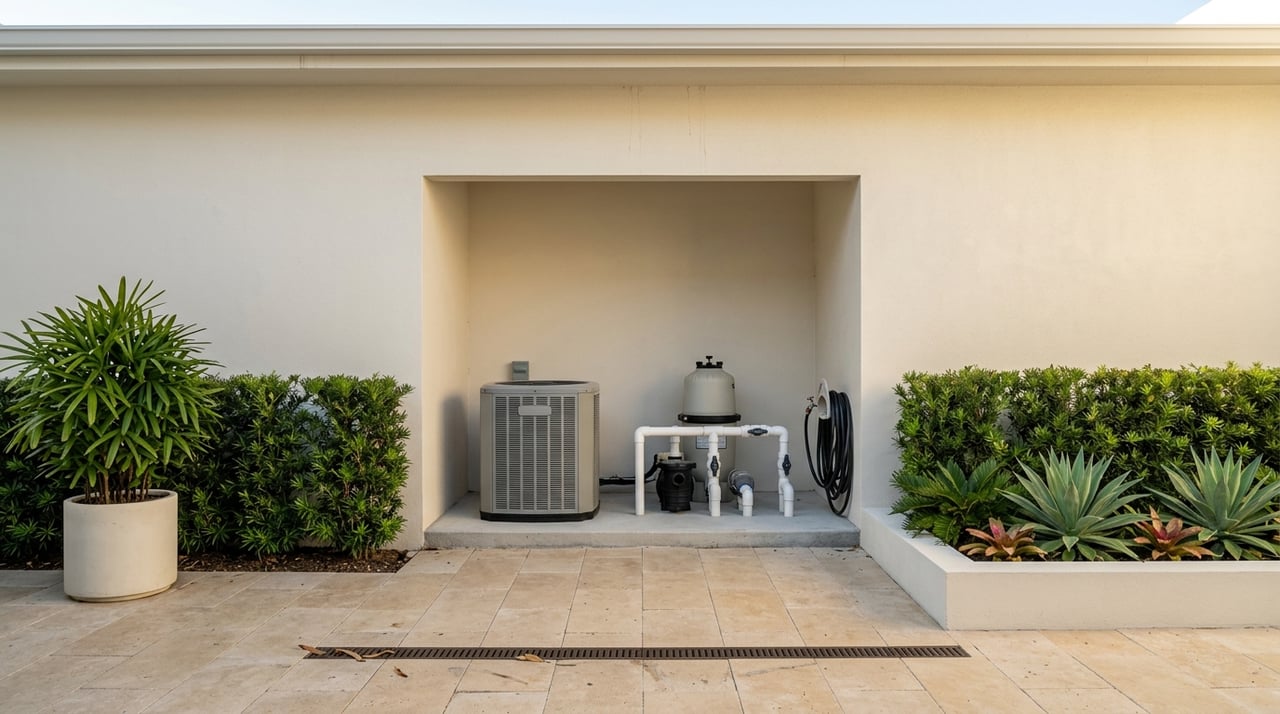
UF/IFAS notes that Florida’s humidity can contribute to mildew, pests, rust, and corrosion in seasonal homes. It recommends keeping the home clean and dry, weather-sealing windows and doors, servicing the AC, and arranging regular pool care if needed.
For coastal yards, UF/IFAS extension materials also note that salt spray and storm surge can damage plants. Some communities handle exterior maintenance, but coverage varies, so owners should confirm exactly what the association maintains and what remains their responsibility.
Questions Worth Asking
Before you buy, make sure you understand:
- What the association maintains, if applicable
- Whether exterior care is included
- How vacant-home checks are handled
- What systems need routine service during the off-season
- Whether the home has features like a pool that need regular attention
These details may not be glamorous, but they can shape your ownership experience just as much as the interior finishes.
A Smarter Siesta Key Second-Home Strategy
The buyers who feel best about their Siesta Key purchase usually look beyond the listing itself. They compare locations carefully, review access and transportation, study condo or HOA rules, confirm zoning for intended use, and understand taxes, insurance, and maintenance before they commit.
That approach is especially valuable on a barrier island, where lifestyle and logistics are closely connected. When you understand the details many buyers miss, you can choose a property that supports the way you actually want to live.
If you are considering a second home on Siesta Key, working with a local waterfront specialist can help you evaluate the address, the documents, and the true ownership picture with confidence. For personalized guidance on Siesta Key condos, island homes, and second-home opportunities, connect with Harriet Stopher.
FAQs
What makes buying a second home on Siesta Key different from buying elsewhere?
- Siesta Key is a barrier-island market with distinct areas, location-specific beach access, condo and HOA rules, zoning considerations, flood planning, and seasonal maintenance needs that can all affect day-to-day ownership.
What should you verify about beach access for a Siesta Key second home?
- You should confirm the nearest beach access type, whether parking is available, whether it is pedestrian-only, and how the property connects to places like Siesta Beach, the Village, and the free trolley route.
What documents should you review for a Siesta Key condo purchase?
- You should review the condo declaration, articles of incorporation, bylaws and rules, the most recent annual financial statement, the annual budget, and any other required disclosure materials.
What should you ask about Siesta Key HOA or condo fees?
- Ask what the dues cover, who maintains which parts of the property, whether reserve funds exist, whether there is adequate insurance, and what repair or replacement obligations may still fall on you.
Can you rent out a second home on Siesta Key?
- Rental use depends on both Sarasota County zoning and the property’s association documents, so you should verify both before assuming short-term or longer-term rentals are allowed.
Why can taxes be surprising for a Siesta Key second home?
- Second homes generally do not qualify for Sarasota County’s homestead exemption, property records are reassessed every year, and tax bills may also include non-ad valorem assessments tied to special districts.
Why should flood insurance be reviewed early for a Siesta Key property?
- Most homeowners insurance does not cover flood damage, there is typically a 30-day wait before flood coverage becomes effective, and lender requirements may apply in Special Flood Hazard Areas.
What maintenance issues matter most for a seasonal home on Siesta Key?
- Florida humidity, mildew, pests, rust, corrosion, AC upkeep, pool care, and coastal landscape exposure to salt spray and storm conditions are all important factors to plan for in a seasonal property.