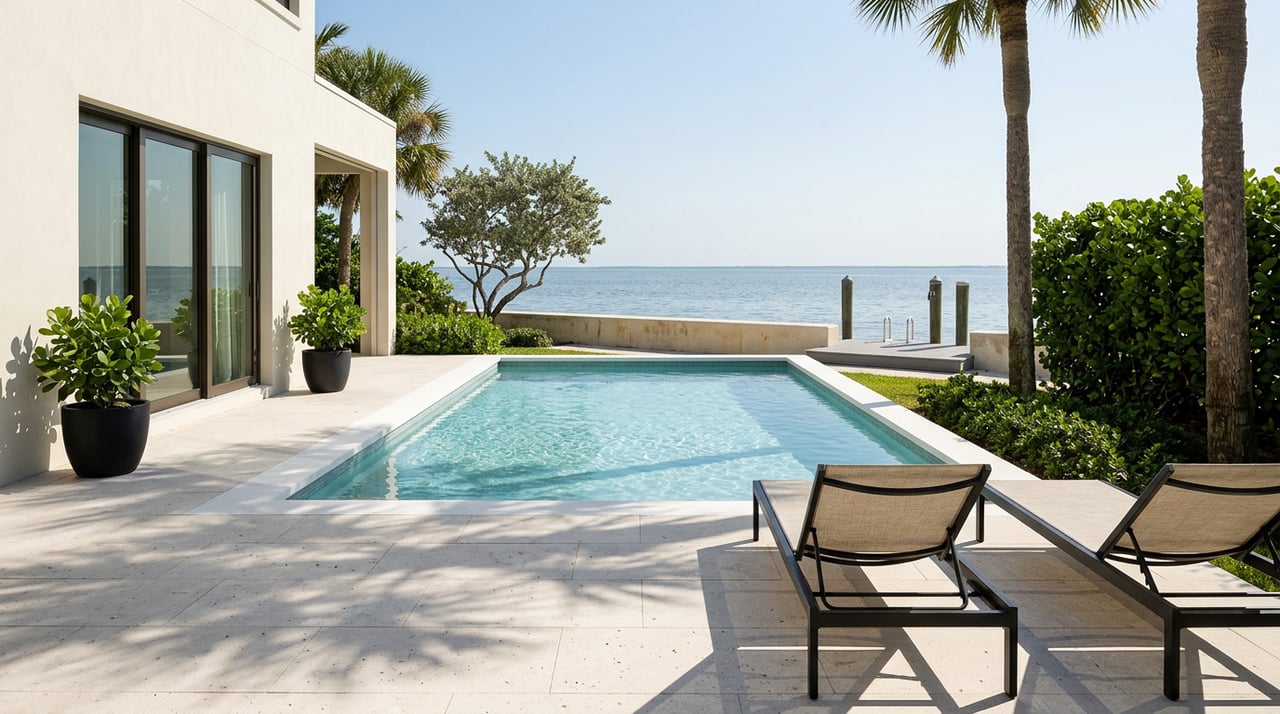
Is your Longboat Key dream home all about toes-in-the-sand sunsets or a boat on the lift out back? Many buyers love both. The trick is deciding which waterfront fits your day-to-day life, budget, and long-term plans. This guide breaks down the key differences between Gulf-side and Bay-side living so you can move forward with clarity and confidence. You will learn how views, boating, rules, insurance, and upkeep compare, plus a simple checklist to use on any listing. Let’s dive in.
Gulf vs Bay at a glance
Longboat Key stretches about 10 to 11 miles between the open Gulf of Mexico to the west and Sarasota Bay and the Intracoastal Waterway to the east. The island’s spine is Gulf of Mexico Drive, also known as State Road 789, which connects north to Bradenton Beach and south to Lido Key and downtown Sarasota. You can review the main route and bridge approach on the state road overview for context in island travel and boating passes like Longboat Pass and New Pass. For navigation context, see the overview of State Road 789 and nearby passes on the state route’s page (learn more about SR 789 and area passes).
The Town of Longboat Key sits in two counties. The north half is in Manatee County and the south half is in Sarasota County. That split can affect property taxes, some services, and certain permitting paths, so it is smart to verify which side a parcel sits on early in your search (see the county split overview).
Gulf-side living: beach-first lifestyle
What you see and feel
Gulf-facing homes and condos give you big-sky horizons, wide white sand, and nightly sunsets. Many buildings and estates sit directly on the beach, so your day can shift easily from coffee on the balcony to a walk on the sand. If your top priority is the sound of waves and the feel of powdery sand underfoot, the Gulf checks every box.
Access and activity
You will find a mix of private or deeded beach access in condo communities and some public access points along the island. Seasonal activity can rise during peak months, and beach renourishment projects sometimes add short-term equipment on sections of shoreline. The positive side is a wider beach and stronger storm buffer when projects wrap, which adds long-term value for Gulf-front owners (see local renourishment coverage).
Building types and upkeep
Most Gulf frontage is low to mid-rise condominiums with dune protection, walk-out beach paths, and sun decks. A handful of estates sit behind the dunes. Maintenance often focuses on salt-air exposure, impact-rated openings, and coastal materials. Dune stewardship and any shoreline work may require extra review and timing, so plan ahead if you expect to renovate or upgrade exterior elements.
Bay-side living: boaters and calm water
Views and vibe
Bay-facing homes and condos look over protected water, mangrove edges, and seagrass flats. In parts of mid and south Longboat, you may catch views toward the Sarasota skyline. Mornings often bring a softer light and calmer water, which many owners love for coffee on an east-facing terrace.
Dockage and marinas
If boating is central to your lifestyle, the bay side shines. Many canal and bayfront homes feature private docks and lifts. Several condo communities wrap around marina basins or include deeded slips. For a sense of local scale and services, explore the Longboat Key Club Moorings, a full-service deep-water marina on the bay side (see marina details).
You will also find small-craft access points for kayaks and paddleboards at local parks. Joan M. Durante Park offers a look at bay-side preserves and calm-water settings that define this side of the island (explore the park).
Homes and maintenance
Bayfront ownership often includes seawalls, docks, and lifts. Plan for regular inspections and service for piles, decking, and mechanical lift parts. In some pockets, private channels may need occasional dredging, and mangrove trimming can require permits. Ask for recent seawall repair history and copies of any recorded permits.
Boating logistics that shape your choice
Passes, bridges, and depth
Boats reach the Gulf from Sarasota Bay through Longboat Pass to the north and New Pass to the south. Bridge clearances and channel depths can shape what size vessel makes sense, and travel time to open water can vary by location. If you keep a larger boat, confirm approach charts, low-tide depths, and whether nearby bridges are fixed or movable along the State Road 789 corridor (review SR 789 context).
Small craft and launching
Many bayfront parks offer put-ins for kayaks and paddle craft, while most full-service public ramps for larger boats sit on the mainland or nearby islands. When you evaluate a listing, note whether a slip conveys, there is access to a private marina, or if you would rely on public facilities.
Rules, insurance, and permits to know
Short-term rental rules
If you plan to rent, Longboat Key has firm standards. Most residentially zoned properties require a minimum 30-day stay unless a property is tourism-zoned or grandfathered. Stays under six months must register with the town’s Residential Rental Registry, and the town enforces compliance. Always confirm a property’s zoning, association rules, and registration needs before you model income (see the town’s rental guidance).
Zoning and building pathway
For renovations or new construction, start with the Town’s Planning and Zoning Division and its interactive zoning map. Standards include height limits, setbacks, barrier-island building rules, and limits on over-water structures. The town also implements FEMA and state code requirements, so early planning avoids surprises (review planning and zoning resources).
Coastal permits and shoreline work
Coastal work such as new seawalls, dock expansions, dredging, or long piers can require approvals from the Town, the Florida Department of Environmental Protection, and sometimes the U.S. Army Corps of Engineers. You can view coastal control lines and water boundaries through the state’s mapping tools to understand what may need DEP review (see CCCL and water boundary tools).
Flood risk and insurance
Flood zones like AE or VE still matter for building standards, but the National Flood Insurance Program now uses Risk Rating 2.0 to price coverage based on factors like elevation, distance to water, and building features. Two nearby properties can have different premiums. Get a flood quote early and ask for an elevation certificate where available (learn how Risk Rating 2.0 works).
Town projects and assessments
The Town has advanced several infrastructure efforts, including utility undergrounding, force main replacements, and flood mitigation in low-lying areas. These can improve resilience but may come with short-term construction and future assessments. Check the latest capital plan updates and local reporting for timing and potential costs (read about current infrastructure projects).
Market signals and value drivers
Direct Gulf frontage often commands a premium because of unobstructed horizons and immediate beach access. On the bay side, deep-water docks, bridge-free or short-bridge routes to the Gulf, and protected basins drive demand among boat owners. For many second-home buyers, the usual order of priorities is simple: beach access and views, then dockage and access, followed by privacy, low maintenance, and clean documentation on permits and insurance. Because values vary block by block, lean on recent comparable sales and a clear plan for your intended use.
Quick buyer checklist for any listing
Use this list to compare properties on either side of the island:
- Jurisdiction and permits. Confirm whether the parcel is in Manatee or Sarasota County and start due diligence with the Town’s planning and zoning tools and permit history (town planning resources).
- Water orientation and exposure. Note whether main terraces face west for sunsets or east for bay sunrises. Confirm proximity to the beach or to a marina basin.
- Beach access details. Is access deeded, private, or via a public point nearby? For Gulf-front listings, ask about recent beach renourishment work that affects beach width and storm buffer (renourishment coverage).
- Docking specifics. If a slip conveys, document slip size, lift capacity, water depth, and whether access to the Gulf is bridge-free or short-bridge. For marina context, see services at the Longboat Key Club Moorings (marina overview).
- Flood insurance. Request the FEMA flood zone label and any elevation certificate, and get an early quote based on Risk Rating 2.0 inputs (about NFIP pricing).
- Condo or HOA rules. Verify minimum lease terms, rental frequency caps, town registration needs for short stays, reserve studies, and any pending special assessments (town rental guidance).
- Seawalls and shoreline permits. Ask for seawall age, repair records, and recorded permits for docks or dredging. Check whether the property lies seaward of the Coastal Construction Control Line using state tools (CCCL maps and tools).
- Town projects and assessments. Review current capital plans for upcoming work that could affect your street or utility corridor (project reporting).
Which side fits you best?
Ask yourself three simple questions:
Is a private dock for a larger vessel a must-have? If yes, focus on bay-side homes and marina-oriented condos, and verify slip size, lift specs, depth, and bridge clearance to the Gulf (see an example marina’s services).
Is walkable sand and an open western horizon your top lifestyle goal? If yes, prioritize Gulf-front listings and look for recent renourishment updates, dune protection, and clear beach access language (see renourishment context).
Does short-term income potential matter? If yes, verify town rental rules and HOA restrictions early, since most residential parcels require 30-day minimums or registration for shorter stays (review rental standards).
When you are ready to compare specific addresses, a waterfront specialist can help you weigh tradeoffs, confirm docks and permits, and model insurance and carrying costs so you buy with confidence. If you want a steady hand from first tour to closing, connect with Harriet Stopher for a tailored consultation.
FAQs
What is the main difference between Gulf and Bay living on Longboat Key?
- Gulf living centers on beach access, sunsets, and open-water views, while bay living focuses on boat dockage, calmer water, and access to Sarasota Bay and marinas.
How do rental rules affect a second home on Longboat Key?
- Most residential properties require 30-day minimum stays unless tourism-zoned or grandfathered, and short stays must register with the town, so verify rules before you plan income (town rental guidance).
Are flood insurance costs the same on Gulf and Bay properties?
- No. Under Risk Rating 2.0, pricing depends on factors like elevation, distance to water, and building features, so two nearby homes can have different premiums (about NFIP pricing).
What should I check if a listing includes a dock or lift?
- Confirm slip dimensions, lift capacity, water depth at low tide, bridge clearance to the Gulf, permit history, and any dredging records. Ask for documentation in writing.
Does the county split change my buying process?
- The Town governs permits, but the island spans Manatee and Sarasota Counties, which can affect taxes and some services, so confirm the parcel’s county early (county split overview).