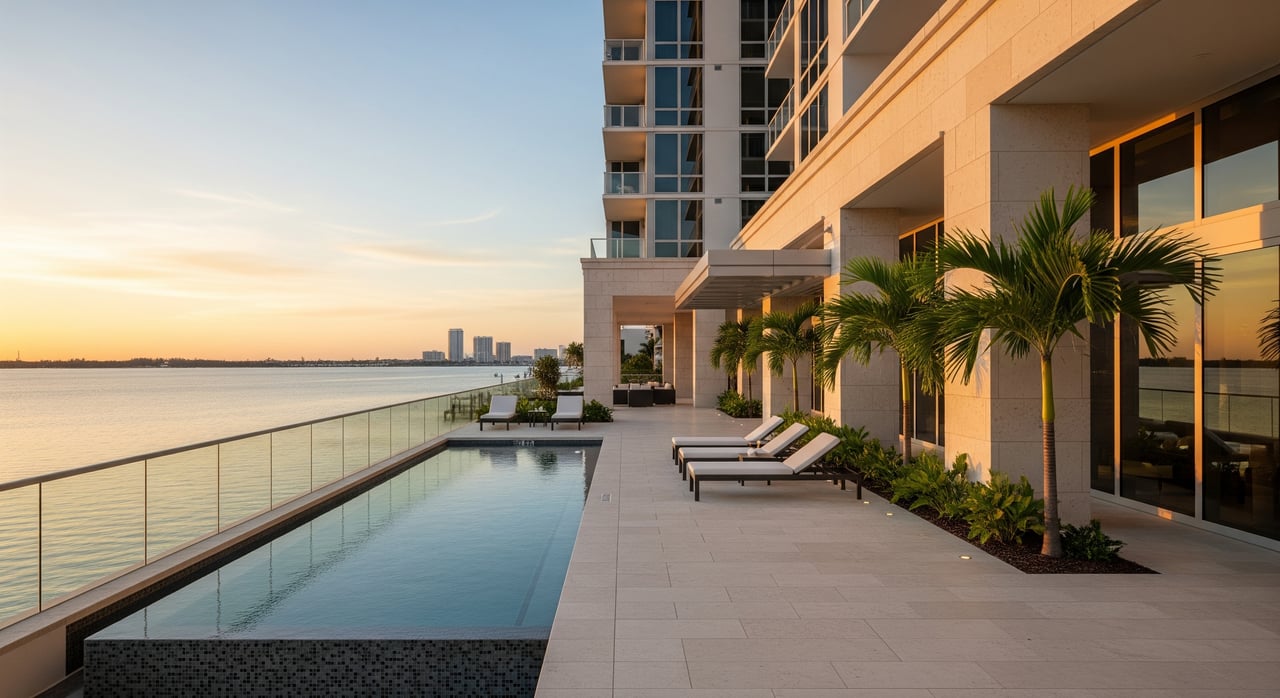
Buying a condo in downtown Sarasota should feel exciting, not uncertain. Yet the health of the homeowners association can outweigh a great view or a perfect floor plan. If you are local or shopping from out of state, you need a clear way to evaluate the association before you commit. In this guide, you will learn exactly which documents to request, how to spot financial and insurance risks, and what red or green flags matter most for coastal Sarasota condos. Let’s dive in.
Why HOA due diligence matters in Sarasota
Living near Sarasota Bay offers a waterfront lifestyle, but coastal buildings face unique pressures from wind, storm surge, and salt air. Many downtown condominiums were built from the 1970s through the 2000s, so major components like roofs, elevators, balconies, and façades may be at or near replacement age. Florida also strengthened condo safety and inspection rules after 2021, so it is important to know a building’s inspection or recertification status. A careful review of the association’s records helps you avoid surprises and plan confidently.
What to request: your document checklist
Ask for the full package early and allow time for professional review by an attorney, CPA, and your agent. Prioritize these items.
Governing documents
- Declaration of Condominium, Articles, Bylaws, and Rules & Regulations.
- Review voting thresholds for special assessments, emergency powers, and who pays for specific repairs.
- Note how amendments occur and whether remedies for owners are limited.
Resale certificate or status letter
- Confirms amounts due, current and pending assessments, insurance summaries, and any violations or fines.
- Use it to verify what you will owe at closing and shortly after.
Budgets and financial statements
- Request the current adopted budget and the prior 2–3 years of budgets.
- Ask for monthly bank statements, the latest review or audit, year-to-date profit and loss, and the balance sheet.
- Scan for line item trends, especially insurance, utilities, and repairs. Repeated transfers from reserves to cover routine expenses are a concern.
Reserve study and reserve account records
- Obtain the most recent professional reserve study and current reserve balances.
- Check the study date, recommended funding level, percent funded, and the schedule for capital projects.
- Ask for the association’s working spreadsheet that shows planned projects, costs, and timing.
Meeting minutes
- Review board and annual meeting minutes from the last 12–24 months.
- Look for discussion of special assessments, deferred maintenance, litigation, large projects, and owner complaints.
Insurance policies
- Request the complete master policy, declarations page, agent contact, and recent claim history.
- Confirm coverage type, policy limits, exclusions, and hurricane or windstorm deductibles, which are often percentage based in Florida.
Litigation and claims
- Ask for a litigation summary, claims history for 5–10 years, and whether legal reserves are escrowed.
- Structural issues, building envelope disputes, or mold and water intrusion cases deserve extra scrutiny.
Owner delinquency report
- Request a summary of owner delinquencies and any pending collections or foreclosures.
- High delinquency rates can strain budgets and signal broader issues.
Management and vendor contracts
- Obtain the management agreement and major service contracts like elevators, landscaping, and security.
- Review fees, termination rights, and whether contract changes are frequent.
Physical and engineering reports
- Request roof and envelope reports, elevator inspections, structural or engineering studies, and recent permit history.
- Confirm any required 40-year or similar recertification status with the association or local building department.
Rules on rentals and pets
- Get the rental policy, minimum lease terms, any waiting period, registration rules, and pet policy.
- Ask whether exceptions are grandfathered and how rules are enforced.
Parking, storage, and facilities
- Clarify parking assignments, storage, access to amenities, project timelines, and recent assessment history.
How to read the numbers with confidence
Financial strength is the backbone of a stable association. Focus on these areas.
Budgets
- A balanced operating budget should cover recurring expenses without repeated reserve transfers.
- Watch for rapid increases in insurance, utilities, or repairs that may foreshadow future assessments.
Reserves
- A professional reserve study estimates useful life and replacement costs for major components.
- As a practical guideline, many professionals view 70–100 percent of recommended funding as healthy. Funding below 50 percent often calls for deeper review.
- Ensure the study is recent, ideally updated within 2–3 years or after major projects.
Special assessments
- Note the history and frequency. Multiple assessments over a short period may reflect underfunding or reactive planning.
- If an assessment is proposed during escrow, determine the purpose and negotiate credits, escrows, or price changes as needed.
Owner delinquencies
- Look at both the percentage of owners who are delinquent and the total dollars owed.
- A delinquency rate above roughly 10–15 percent merits closer examination and advice from your professionals.
Working capital and accounting
- Confirm adequate operating cash to handle bills and timing differences.
- Prefer CPA-prepared financial statements. If only internal reports are available, ask about reconciliations and unusual adjustments.
Insurance and risk in coastal buildings
Insurance drives condo fees and buyer risk, especially in coastal Sarasota.
Master policy basics
- Identify whether the policy is bare walls or all inclusive. Bare walls typically covers the structure and common elements, leaving interior finishes to the owner.
- Confirm wind, hurricane, and flood coverage. Many master policies exclude flood, which may require a separate policy.
- Understand deductibles. Percentage-based hurricane deductibles can be large. Ask how deductibles are allocated to owners.
Your HO-6 policy
- Clarify which interior elements you must insure and whether loss assessment coverage is advisable given master policy deductibles.
- Review claim history and insurer stability since frequent claims can increase premiums or affect renewals.
Building safety and compliance
Structural integrity and compliance are central to your decision.
- Confirm completion of required structural inspections or recertifications and whether any directives remain open with local authorities.
- Review engineering reports for balconies, façades, parking structures, and elevators. Ask for dates of last major replacements and remaining useful life.
- Look for evidence of proactive inspection schedules and multi-year capital plans.
Rules that affect use and financing
Policies shape how you can use your condo and may influence loan approvals.
Rentals and investor concentration
- Learn the minimum lease term, annual caps, waiting periods, and registration rules.
- A very high rental ratio can affect the community and may impact some loan programs. Confirm building eligibility with your lender early.
Pet policies
- Review size or number limits, common area rules, and enforcement.
- Confirm whether any exceptions are grandfathered and documented.
Red flags to address quickly
Move forward only after you understand and can manage these risks.
- No current reserve study or a study older than 3–5 years.
- Reserve funding materially below recommended levels, such as below 50 percent.
- Repeated special assessments or a newly proposed large assessment.
- Owner delinquency above roughly 10–15 percent of annual assessments.
- Litigation tied to structural issues, building envelope defects, or significant water intrusion.
- Large exclusions or very high wind deductibles on the master policy, or insurer instability.
- Insurer nonrenewal or frequent insurer changes in recent years.
- Multiple major components near end of life with no funded plan.
- Management turnover or weak bookkeeping, such as missing bank statements or reconciliations.
- Rental percentage so high that conventional lenders may decline the project.
- Noncompliance with required inspections or outstanding orders from the building department.
Green flags that signal strength
These signs point to a healthier, better managed association.
- A recent professional reserve study with a funding plan that aligns with recommendations.
- Transparent financials, preferably with CPA reviews or audits.
- Modest, regular assessment increases that fund reserves rather than one-off assessments.
- Low delinquency rates and an active collections policy.
- Comprehensive master insurance with reasonable deductibles and a manageable claim history.
- Proactive maintenance and a documented multi-year capital plan with warranties.
- Stable, experienced property management and a responsive board.
- Moderate rental percentage with clear, enforced policies.
- No major unresolved litigation and clear disclosure of smaller disputes.
Practical steps to protect your purchase
A disciplined process reduces surprises and gives you leverage.
Coordinate early
- If you are financing, confirm the building meets your loan program’s condo project standards before you go under contract when possible.
- If the building has known issues, consider adding a condominium-specific inspection or engineer review contingency.
Build smart contingencies
- Include a condo document review contingency that allows an attorney or CPA to evaluate all records and terminate or renegotiate if needed.
- Set clear deadlines for receiving the resale certificate and documents so there is time to respond.
Negotiate if issues appear
- Request seller credits toward a known or proposed special assessment.
- Ask for written confirmation regarding assessments or an escrow if an assessment could be levied during escrow.
- Seek price adjustments for deferred maintenance, near-term replacements, or higher insurance exposure.
- Request updated reserve or engineering reports when material information is out of date.
Engage the right professionals
- A condominium attorney can review governing documents, insurance, litigation, and disclosures.
- A CPA or association-savvy accountant can assess reserves, cash flow, and trends.
- An engineer or inspector can interpret structural and building systems reports.
- A local Sarasota condo specialist can provide context on typical coastal building costs and timelines.
Closing checklist
- Verify that the resale certificate is current and all due amounts are captured in the closing statement.
- Confirm the status, timing, and payer for any approved or pending assessments.
- Ensure transfer of records, keys, fobs, parking, and storage is documented.
Local tips for downtown Sarasota buyers
- Coastal risk matters. Ask about elevation, flood zone status, and whether the association carries separate flood coverage if required.
- Building age drives planning. Older towers near the bay may have upcoming façade, balcony, or elevator work. Align your timeline and budget with the association’s capital plan.
- Insurance is dynamic. Florida’s insurance market can change quickly. Review current policies, deductibles, and claim history and plan for potential premium changes.
A careful HOA evaluation helps you choose not only a condo you love, but also a building you can trust. If you want a seasoned set of eyes on the documents and the negotiation, connect with a local specialist who works these buildings every day. For tailored guidance on downtown and coastal Sarasota condos, reach out to Harriet Stopher for a complimentary consultation.
FAQs
What is the most important HOA document for a Sarasota condo buyer to review first?
- Start with the resale certificate and current budget to confirm amounts due, assessments, insurance structure, and near-term costs before diving deeper.
How much should condo reserves be for a downtown Sarasota building?
- As a practical benchmark, many professionals view 70–100 percent of the most recent reserve study’s recommendation as healthy, while below 50 percent warrants more review.
Why do Florida condo master policies have high hurricane deductibles?
- Insurers often use percentage-based hurricane deductibles for coastal risk; you need to know the percentage and how any deductible is allocated to owners.
Can a high rental ratio affect my ability to get a mortgage on a Sarasota condo?
- Yes, some loan programs scrutinize investor concentration and may decline projects with very high rental percentages, so confirm eligibility with your lender early.
What Sarasota-specific risks should I consider besides insurance costs?
- Coastal exposure to wind, surge, and flooding, plus building age and upcoming capital projects for items like roofs, façades, balconies, and elevators.
How do I spot signs of future special assessments in an HOA?
- Look for underfunded reserves, rapidly rising insurance or repair line items, recurring assessments in minutes, and engineering reports noting near-term replacements.
Who should review my condo HOA documents before I commit?
- Engage a condominium attorney, a CPA or association-savvy accountant, an engineer for structural items, and a local agent experienced with coastal Sarasota buildings.