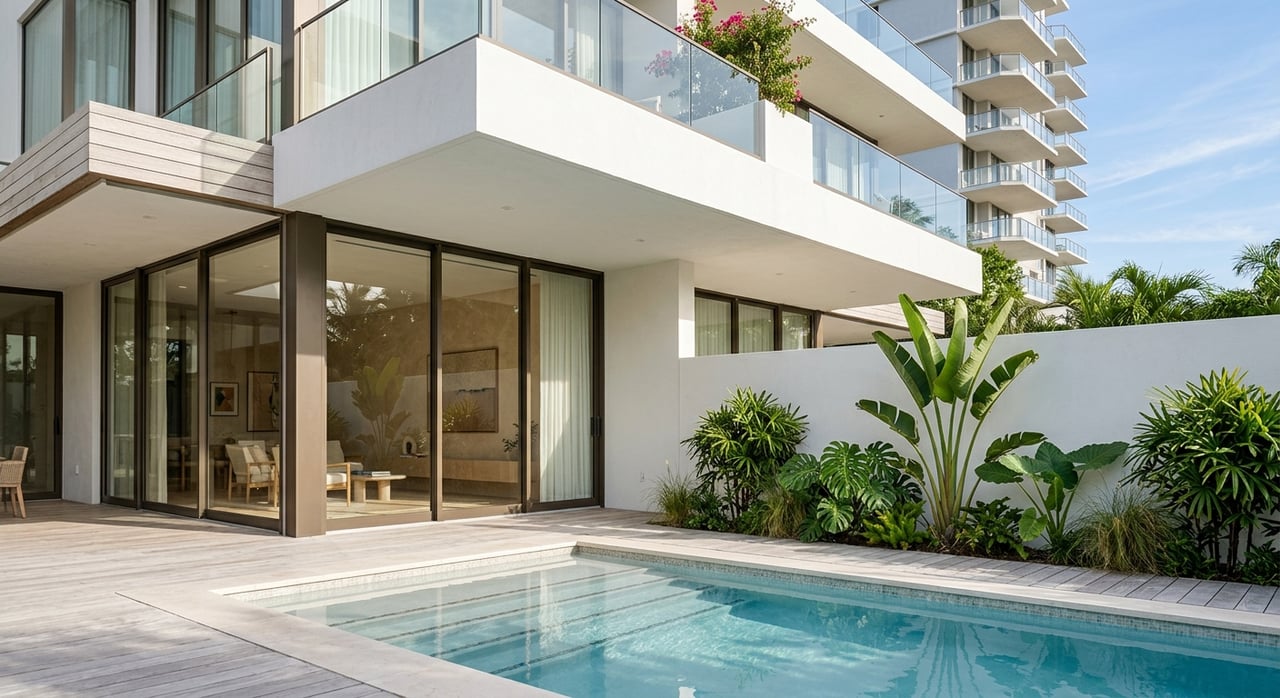
Wondering whether a Siesta Key condo or beach house is the better fit for your next chapter? It is a smart question, especially on a barrier island where lifestyle, maintenance, flood planning, and rental rules can shape your ownership experience as much as the view. If you are buying a second home, downsizing, or planning a more flexible coastal lifestyle, this guide will help you weigh the tradeoffs with confidence. Let’s dive in.
Why this choice matters on Siesta Key
Siesta Key is a small, high-value market with a lifestyle that attracts many second-home buyers and downsizers. Census QuickFacts reports 5,454 residents in 2020, a 92.5% owner-occupied housing rate, a median owner-occupied home value of $954,300, and a population where 52.4% of residents are age 65 or older.
That matters because most buyers here are not choosing between a starter condo and a first house. More often, you are choosing between two different ways to enjoy island living. On Siesta Key, the real decision usually comes down to how you want to handle maintenance, privacy, storm preparation, and day-to-day convenience.
Beach access is strong in both options
One of the best things about Siesta Key is that beach access is not limited to one property type. Sarasota County maintains multiple public beach access points across the island, including walk-in access points, sites with limited parking, and Turtle Beach Park, which also offers a boat ramp, canoe and kayak launches, a fishing pier, and a pavilion.
Daily mobility can also be easier than some buyers expect. The Breeze Route 77 schedule shows daily service between Downtown Sarasota and Siesta Key, with multiple trolleys running from 8 a.m. to 10 p.m. That means a condo and a house can both support a beach-focused lifestyle, depending on where the property sits.
Condo vs beach house basics
At a high level, a condo usually offers more shared management and less direct upkeep. A beach house or canal-front home usually offers more privacy and control, but more personal responsibility too.
That difference is especially important in coastal real estate. On Siesta Key, the better choice is often the one that best matches how hands-on you want to be with your property.
Why a condo may be the better fit
A condo often works well if you want a more streamlined ownership experience. Under Florida condominium law, common-element maintenance, repair, replacement, and protection are association responsibilities, which is why condo ownership usually feels more managed and more lock-and-leave.
If you travel often, live out of state part of the year, or want fewer day-to-day property tasks, this can be a major advantage. Many buyers also like the predictability of having building-level systems and shared areas managed through the association rather than handling each issue themselves.
Condo benefits to consider
A Siesta Key condo may suit you if you value:
- Lower direct maintenance management
- Easier lock-and-leave living
- Shared amenities and common facilities
- Building-level oversight for common elements
- A more document-driven view of property rules and finances
That last point matters. Florida law gives condo buyers the right to review important documents before closing, including the declaration, bylaws, rules, annual financial statement, annual budget, and when applicable, milestone inspection and structural integrity reserve study documents.
Condo tradeoffs to watch
The convenience of condo living comes with more shared governance. You will want to look closely at dues, reserves, building condition, rules, and the possibility of special assessments.
This is especially important in older coastal buildings. Florida law requires milestone inspections for condo buildings that are three habitable stories or more, generally at 30 years and every 10 years after that, with the possibility of a 25-year trigger in coastal areas. The state also requires structural integrity reserve studies at least every 10 years for qualifying 3-plus-story condo buildings.
Why a beach house may be the better fit
A single-family beach or canal-front home often makes more sense if you want more control over the property and more private outdoor living. In practical terms, you are usually managing the exterior, landscaping, pool care, and any dock or seawall issues yourself unless another arrangement is in place.
For many buyers, that extra responsibility is worth it. A house can give you more separation from neighbors, more flexibility in how you use the outdoor space, and a more private island feel.
House benefits to consider
A Siesta Key house may suit you if you value:
- More privacy from neighbors
- More outdoor space for relaxing or entertaining
- Greater control over the property
- Private features rather than shared amenities
- A more independent ownership experience
If your ideal day includes your own pool terrace, more room to spread out, or direct management of your property decisions, a house may align better with your lifestyle.
House tradeoffs to watch
More autonomy usually means more hands-on ownership. Before you buy, it is wise to understand who will handle and pay for items such as:
- Roof maintenance and replacement
- Pool care
- Landscaping and irrigation
- Dock or seawall repairs
- Storm preparation and cleanup
On a barrier island, those tasks are not minor details. They directly affect both your budget and your peace of mind.
Privacy and lifestyle feel
Privacy is one of the clearest differences between these two choices. A condo generally means shared walls or shared common areas, more association rules, and more interaction with neighbors. A single-family home usually provides more separation and more room for private outdoor living.
That said, Siesta Key itself is an active beach environment. With multiple county-maintained beach access points across the island, even a private-feeling location still exists within a public coastal setting. The right fit depends on whether you want your home life to feel more managed and social or more independent and secluded.
Rental rules depend on zoning, not just property type
Many buyers assume a condo automatically means short-term rental flexibility, or that a house automatically does not. On Siesta Key, the real answer starts with zoning.
Sarasota County states that residential single-family and most other districts require leases of at least 30 days and do not allow short-term rental use. The county also states that residential multifamily parcels on the barrier islands of Siesta, Casey, and Manasota Keys may be leased for less than 30 days and may allow short-term rental use. In addition, bed-and-breakfast use is prohibited in the Siesta Key Overlay District.
What to verify before you buy
If rental income or seasonal flexibility matters to you, ask these questions early:
- What is the exact zoning district?
- Does that zoning allow the rental pattern you want?
- Does the property sit in the Siesta Key Overlay District?
- If it is a condo, what do the condo documents say about leasing?
- If it is a house, are there any HOA restrictions that affect leasing or use?
This is one area where details matter more than assumptions. A careful review upfront can save you from buying a property that does not match your plans.
Flood and storm planning should shape your decision
On Siesta Key, coastal risk is part of the ownership equation whether you choose a condo or a house. Sarasota County states that the county is susceptible to coastal, riverine, and urban flooding. FEMA flood maps affecting Sarasota County changed on March 27, 2024.
The county also notes that most homeowner’s insurance does not cover flood damage. Flood insurance is required for residential and commercial buildings in a Special Flood Hazard Area with federally backed mortgages, and flood insurance normally has a 30-day wait before it becomes effective.
Why flood risk feels different in a condo vs house
With a condo, some building-level responsibilities may be handled through the association, but you still need to understand the property’s flood zone, insurance implications, and building documents. With a house, buyers often feel the full weight of storm prep more directly because exterior tasks and site conditions are more personal and immediate.
Sarasota County also advises residents in low-lying areas and barrier islands to evacuate when conditions warrant. The county notes that coastal roads may be underwater before a storm and that storm surge can travel miles inland, making storm planning a practical part of ownership, not just a rare what-if.
A simple way to decide
If you feel stuck between the two, focus less on the property category and more on your ownership style. Ask yourself how you want to live when you are not at the beach.
A condo may be the better fit if you want easier travel logistics, lower direct maintenance, and a more managed ownership experience. A beach or canal-front house may be the better fit if you want more privacy, more outdoor autonomy, and more control over how the property is used and maintained.
Questions to ask before making an offer
Before you move forward on either option, keep this short checklist handy:
- What flood zone is the property in?
- What are the current insurance quotes?
- How close is the nearest public beach access?
- Is parking available at that access point?
- If it is a condo, what do dues cover?
- How well funded are the reserves?
- Has the building completed any required milestone inspection and structural integrity reserve study work?
- If it is a house, what are the expected costs for roof, pool, dock, seawall, landscaping, and irrigation?
- What zoning rules affect leasing?
These are the kinds of questions that help turn a beautiful property into a smart purchase.
Choosing between a Siesta Key condo and a beach house is rarely just about price or square footage. It is about matching your lifestyle with the right level of maintenance, privacy, rental flexibility, and storm readiness. If you want experienced local guidance as you compare island properties, Harriet Stopher can help you evaluate the details that matter most.
FAQs
Should I buy a condo or house for a Siesta Key second home?
- If you want a more lock-and-leave setup with less direct maintenance, a condo may be the better fit. If you want more privacy and control, a house may be worth the added responsibility.
Do Siesta Key condos allow short-term rentals?
- Some may, but the answer depends first on the property’s zoning district and then on the condo documents. Sarasota County says some residential multifamily parcels on the barrier islands may allow rentals of less than 30 days.
Are Siesta Key houses harder to maintain than condos?
- In most cases, yes. A single-family home typically places more responsibility on you for exterior upkeep, landscaping, pool care, and waterfront features such as docks or seawalls.
What condo documents should I review before buying in Siesta Key?
- Florida law gives buyers the right to review items such as the declaration, bylaws, rules, annual financial statement, annual budget, and when applicable, milestone inspection and structural integrity reserve study documents.
How important is flood insurance for Siesta Key property buyers?
- Very important. Sarasota County states that most homeowner’s insurance does not cover flood damage, and flood insurance is required in Special Flood Hazard Areas for properties with federally backed mortgages.
Does beach access differ between Siesta Key condos and houses?
- Not always. Sarasota County maintains multiple public beach access points across Siesta Key, so both condos and houses can offer strong beach access depending on location.