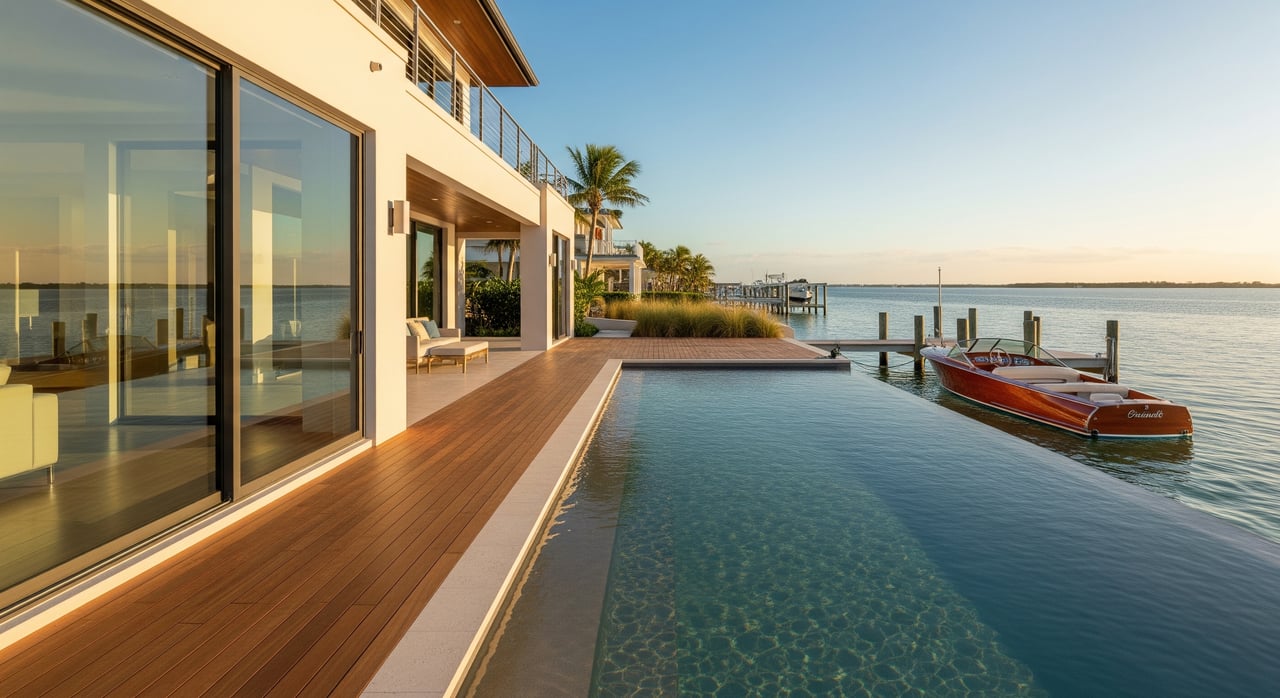
Is every “waterfront” home on Lido Key the same? If you have browsed listings, you have seen terms like gulf-front, bayfront, canal, and waterview used in different ways. It can be confusing, especially if you are looking from out of state. In this guide, you will learn what those labels usually mean on Lido Key, how they affect lifestyle and cost, and the questions to ask before you tour. Let’s dive in.
Waterfront terms on Lido Key
Waterfront vs. waterview
“Waterfront” is a broad label that often means a property touches a navigable waterbody like the Gulf, Sarasota Bay, the Intracoastal Waterway, or a canal. Some listings use it loosely, so always confirm if there is actual water access, a seawall, or a dock. “Waterview” means you can see water from the property but do not have physical access. A balcony with a view across the street to the beach is a common example. For general definitions, the consumer glossary on waterfront vs waterview is a helpful starting point.
Gulf-front and beachfront
Gulf-front homes and condos sit on the west side of Lido Key facing the Gulf of Mexico. You typically get direct beach access and sunset views. These properties often sit near or seaward of Florida’s Coastal Construction Control Line, so coastal rules will influence improvements and renovations. Expect exposure to surf, salt spray, and dune management issues.
Bayfront and Intracoastal-facing
Bayfront homes face Sarasota Bay or the Intracoastal Waterway on the east side of the island. Water is usually calmer than the Gulf, which is attractive for boating and kayaking. You may find easier year-round access to local marinas and the ICW. Views span the city skyline and barrier islands rather than open Gulf.
Canal-front and canal access
Canal-front properties back to man-made or natural canals connected to larger waterways. Many owners enjoy direct dockage at home. Value depends on whether the canal leads to the Gulf without low fixed bridges and whether the channel depth supports your boat. Always verify bridge clearances, draft limits, and route details in advance.
Direct Gulf access, no fixed bridges, and deepwater
Listings that say “direct Gulf access,” “no fixed bridges,” or “deepwater” are speaking to boating convenience and vessel size. No fixed bridges means you can reach the Gulf without passing under low bridges that limit mast height or cabin cruisers. Deepwater suggests the canal or bay depth supports larger drafts, but tide and shoaling still matter. Confirm exact clearances and depths for your boat and typical tide conditions.
Deeded beach access and private beach access
“Deeded beach access” means the deed or community documents include a legal right to use a specific path or beach parcel. “Private beach access” usually refers to gated or HOA-controlled paths that may be shared among owners. Lido Key also has public areas like Lido Beach Park, which anyone can use. Always review the deed language to confirm what “access” includes.
Seawall, bulkhead, and riprap
These are shoreline structures that protect property from erosion and can create a dock wall. Seawall condition and maintenance are major cost items on the islands. Repairs and replacements often require permits and can be significant capital projects.
How water type shapes lifestyle and cost
Gulf-front lifestyle and upkeep
- Pros: direct beach access, sweeping sunset views, sand and surf at your doorstep.
- Cons: stronger storm surge risk, more salt corrosion on equipment and finishes, dune and erosion management oversight.
- Cost notes: higher maintenance for HVAC and exterior metals, potential assessments in some communities for dune or beach work, possible permit constraints seaward of the control line.
Bayfront and Intracoastal living
- Pros: calmer water, great for boating, paddleboarding, and kayaking, and sunrise views on the east side.
- Cons: seasonal insects around mangroves in some areas, occasional limits to Gulf access depending on bridges and channels.
- Cost notes: docks and lifts can be strong value drivers. Maintenance focuses on dock structures, pilings, and seawall care.
Canal living on Lido Key
- Pros: private dock potential, quick access to the bay or ICW, typically more wind protection than open water.
- Cons: value depends on route to the Gulf, fixed bridge heights, and channel depth.
- Cost notes: seawall and dock condition dictate near-term expenses. Confirm recent inspections and any planned neighborhood seawall work.
Waterview without access
- Pros: scenic value and often lower insurance and upkeep than direct waterfront.
- Cons: no private access to water; you will use public beach points or HOA amenities.
- Cost notes: often lower premiums and maintenance compared to properties with seawalls or docks.
Permits, rules, and insurance you should know
Understanding rules and risk will help you plan improvements and budget for coverage.
- Flood zones and insurance. Many island parcels fall within FEMA Special Flood Hazard Areas. Check your exact lot on the FEMA flood maps and request an Elevation Certificate if available. Flood insurance requirements and premiums depend on your elevation and mitigation features.
- Coastal construction limits. If the home is near the beach, improvements could be affected by the Florida Coastal Construction Control Line. Work seaward of the line often needs special permits and design considerations.
- Shoreline and dock work. Repairs to seawalls or docks may require Sarasota County permits, and some projects also need state or federal authorization. For major work, consult U.S. Army Corps of Engineers permitting resources.
- Wind and hurricane coverage. Coastal homes often carry separate windstorm coverage or special policy endorsements. Your premium will reflect building age, roof type, mitigation features, and proximity to the coast.
Boating access details that drive value
Bridge clearances and route planning
If you have a sailboat or tall cruiser, bridge heights can determine whether a property works for you. Review local marine information using NOAA nautical charts and the Coast Guard’s bridge data. Ask the listing agent to confirm the route from the dock to the Gulf and the lowest clearance on that path.
Channel depth, tides, and shoaling
Depth varies with tides and seasonal shoaling. A canal or bay labeled “deepwater” still needs confirmation for your draft. Ask about recent dredging schedules, typical low-tide depths, and whether seasonal storms affect channels.
Private slips vs. community docks
A deeded private slip adds clear value and convenience. Community docks can be excellent, but many have waitlists, usage rules, or rental fees. Confirm whether a slip conveys with the property and review HOA documents for restrictions.
Pricing drivers on Lido Key
- Gulf-front and beachfront properties usually command the highest prices per square foot thanks to direct beach access and iconic views.
- Bayfront homes with private deep-water docks are highly valued by boaters and can rival gulf prices based on condition and dock rights.
- Canal-front homes with proven direct Gulf access price higher than similar homes that require low-clearance bridges or longer routes.
- Waterview-only properties capture a scenic premium but generally less than true waterfront.
For current market trends and premiums, consult recent comps and association data such as the Sarasota Association of Realtors market reports.
Buyer checklist for showings and offers
Use this checklist to confirm what a listing really offers.
Request these documents
- Title, plat, and deed language for any beach or dock easements.
- Recent survey noting property lines and mean high water line.
- Seawall and dock records: age, permits, inspection or engineering reports, and repair history.
- Flood zone info and any Elevation Certificate.
- HOA or condo documents covering docks, slips, beach access, rules, assessments, and planned capital projects.
- Insurance history: prior claims, current carrier, and recent premium quotes if available.
- Permits for shoreline work and any outstanding code issues or county special assessments.
- Dock specs and use rules: dimensions, permitted boat lengths, horsepower limits, or slip rental policies.
Ask the listing agent
- Is the home gulf-front, bayfront, canal-front, or a waterview only? Confirm the exact line of ownership and water access.
- Is there deeded private beach access? Is the beach area private or public, and where is the access point?
- Does the dock convey as a deeded slip? Are there HOA slip waitlists or fees?
- Are there fixed bridges between the property and the Gulf? What is the lowest bridge clearance and the typical route?
- When were the seawall and dock last inspected or repaired? Any upcoming community assessments for beach or seawall work?
- What is the current FEMA flood zone for this property? Is an Elevation Certificate available?
- Any known erosion, storm damage, or insurance claims on the property?
Observe during the tour
- Beach width and dune condition, plus proximity to public access points.
- Seawall, pilings, and dock condition, including any leaning, rot, or missing caps.
- Salt corrosion on gates, railings, and HVAC units.
- Signs of high-water marks, staining, or mold in lower-level spaces.
- Practical access: parking near beach paths, gate access, and distance to facilities.
Key takeaway
Treat listing adjectives as a starting point. The words waterfront, waterview, gulf-front, and deepwater signal lifestyle and value, but you should confirm access rights, dock details, flood zones, bridge clearances, and maintenance obligations before you rely on a photo or a headline. A clear due diligence plan will save you time and help you focus on the properties that truly fit how you want to live on Lido Key.
Ready to decode a short list of Lido Key homes or condos that match your lifestyle and risk comfort? Connect with Harriet Stopher for a focused market consultation tailored to waterfront, boating, and insurance considerations.
FAQs
What does “waterfront” mean in Sarasota listings?
- It typically indicates a property borders a navigable waterbody, but it does not guarantee private access or a dock, so confirm details and deeded rights.
What is the difference between gulf-front and bayfront on Lido Key?
- Gulf-front faces the Gulf of Mexico with beach access and surf exposure, while bayfront faces Sarasota Bay or the ICW with calmer waters that favor boating.
How do fixed bridges affect boating from a canal home?
- Low fixed bridges can limit mast height or cabin cruisers, so you should verify the lowest clearance on your route using NOAA nautical charts.
What insurance do Lido Key waterfront owners often carry?
- Many need flood insurance based on FEMA flood maps plus windstorm or hurricane coverage, with premiums shaped by elevation and mitigation.
Where can you verify coastal construction limits for a beachfront property?
- Check the Florida Coastal Construction Control Line to see if special permits or design rules apply to improvements.
Does “deeded beach access” always mean a private beach?
- No, it means a legal right to use a specific path or parcel; beaches may still be shared or near public access, so you should review deed and HOA documents.